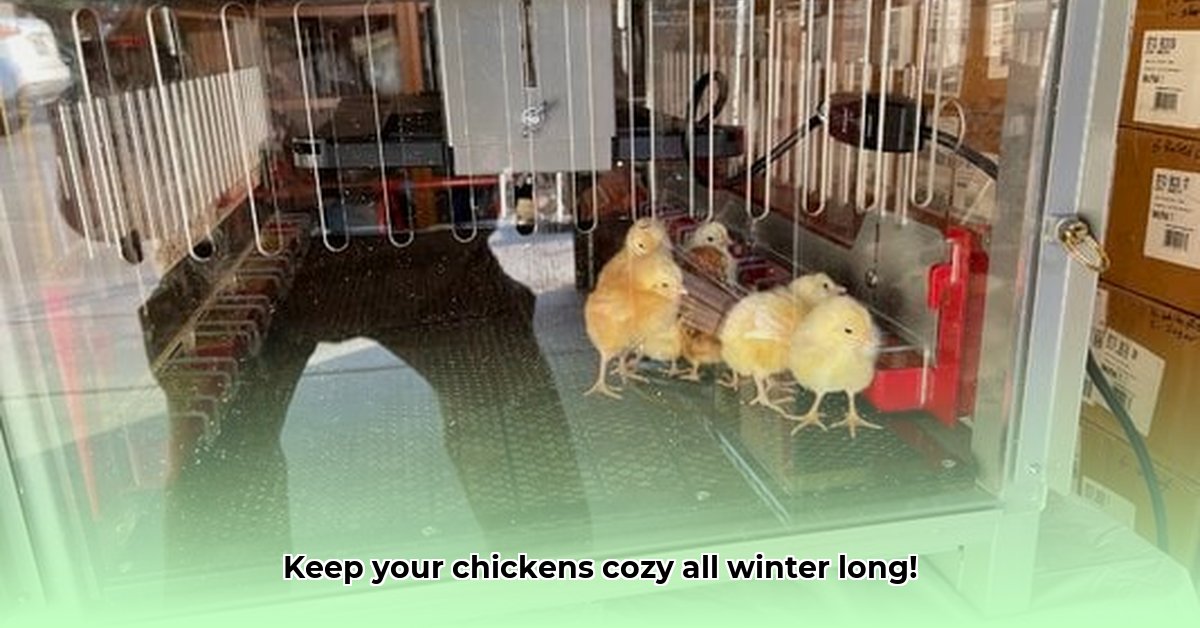
Choosing the Right Chicken Coop Heater
Winter's chill can be tough on your flock. A properly chosen coop heater from Tractor Supply can ensure your chickens stay healthy and happy all season long. But with various options available, selecting the right one can feel overwhelming. Let's break down your choices. For more coop ideas, check out our coop design ideas.
Heater Types: Finding Your Perfect Match
Tractor Supply offers several heater types, each with pros and cons:
1. Electric Heaters: These are generally easy to install—simply plug them in! They're also safer than propane options because there's no open flame. However, electric heaters can be expensive to run, especially during prolonged cold spells. Look for energy-efficient models to minimize costs.
2. Propane Heaters: For larger coops or extremely cold climates, propane heaters offer powerful, cost-effective heating. However, they require careful handling and excellent ventilation to prevent dangerous gas buildup. Always follow safety instructions meticulously.
3. Infrared Heaters: Unlike electric or propane heaters that heat the surrounding air, infrared heaters directly warm objects. This makes them energy-efficient and relatively safe. However, their heat output might not suffice for very large coops or intensely frigid temperatures.
Here's a comparison to help you decide:
| Heater Type | Pros | Cons | Best For |
|---|---|---|---|
| Electric | Easy setup, safe, generally low maintenance | Higher running costs in cold climates, may not suit large coops | Smaller coops, mild winters, safety-conscious owners |
| Propane | Powerful heating, cost-effective in extreme cold | Requires careful handling, ventilation crucial, potential safety risks | Larger coops, very cold climates, budget-conscious owners |
| Infrared | Energy-efficient, generally safe, direct heat | Might be insufficient for large coops or extremely cold weather | Small to medium coops, mild to moderate winters |
Installing Your Chicken Coop Heater: A Step-by-Step Guide
Safe installation is paramount. Follow these steps:
Assess Ventilation: Before installing any heater, ensure your coop has adequate ventilation. Poor ventilation can create a dangerous buildup of gases, especially with propane heaters.
Strategic Placement: Position the heater away from flammable materials (bedding, wood shavings). Place it higher up to prevent your chickens from accidentally touching it.
Follow Instructions: Meticulously follow the manufacturer's instructions. If unsure about any step, consult a qualified electrician or handyman.
Test Run: Before leaving the heater unattended, run a test for a short period to ensure proper function and safe temperature levels.
Safe Operation and Maintenance
Preventive maintenance ensures your heater's longevity and your chickens' safety.
Prioritize Ventilation: Maintain good ventilation at all times. Never completely seal your coop, especially when using a heater.
Regular Inspections: Regularly inspect for damage or wear. Replace parts as needed, adhering to the manufacturer's recommendations.
Smart Thermostat Use: Use a thermostat to maintain a comfortable temperature for your chickens. Research ideal temperatures based on your breed and chicken age. Avoid extreme temperature swings.
Fire Safety: Keep flammable materials away from the heater and keep a fire extinguisher nearby.
Troubleshooting Common Issues
Even the best-laid plans...
Insufficient Heat: Check the power supply (electric), propane levels (propane), and ventilation. A blocked vent can drastically reduce heating efficiency.
Malfunctioning Thermostat: Try recalibrating the thermostat according to its instructions. If the problem persists, contact a qualified technician.
Unusual Noises or Smells: Immediately switch off and unplug the heater. Contact a professional for inspection – never attempt to diagnose electrical or gas issues yourself.
Conclusion: Keeping Your Flock Cozy and Safe
Providing a warm, safe environment for your chickens is crucial for their health. By carefully selecting the right heater from Tractor Supply and adhering to safety guidelines, you can ensure your flock thrives throughout the winter. Remember, responsible heater use is key for both your chickens and your property's safety.